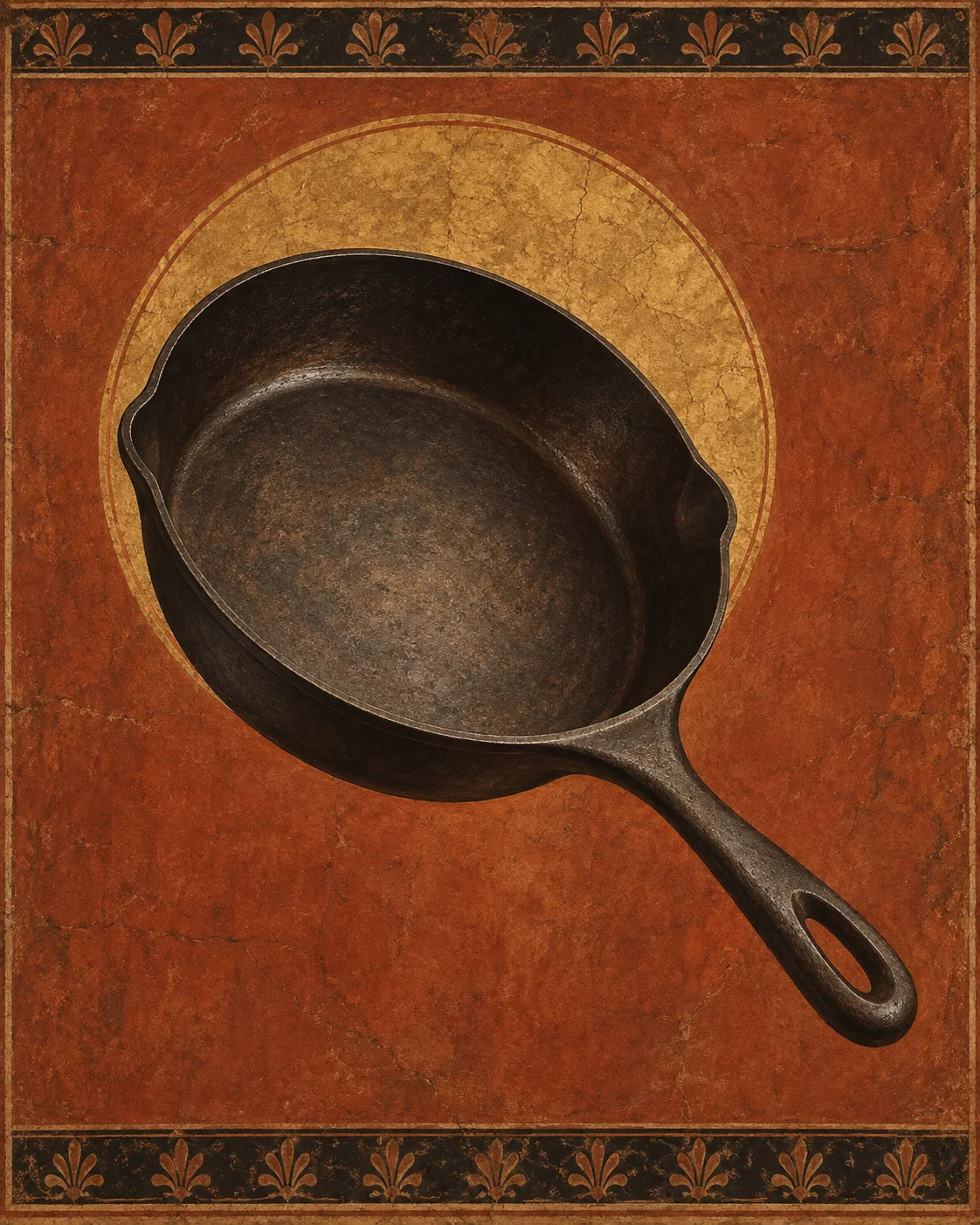
Lodge 12 in Cast Iron Skillet (L10SK3)
Our pickA more considered way to buy
Platonic Ideal researches everyday categories and names one product worth choosing—or explains clearly when no product qualifies.
The verdict and decisive reasoning are free.
The dossier sells research depth, never influence.
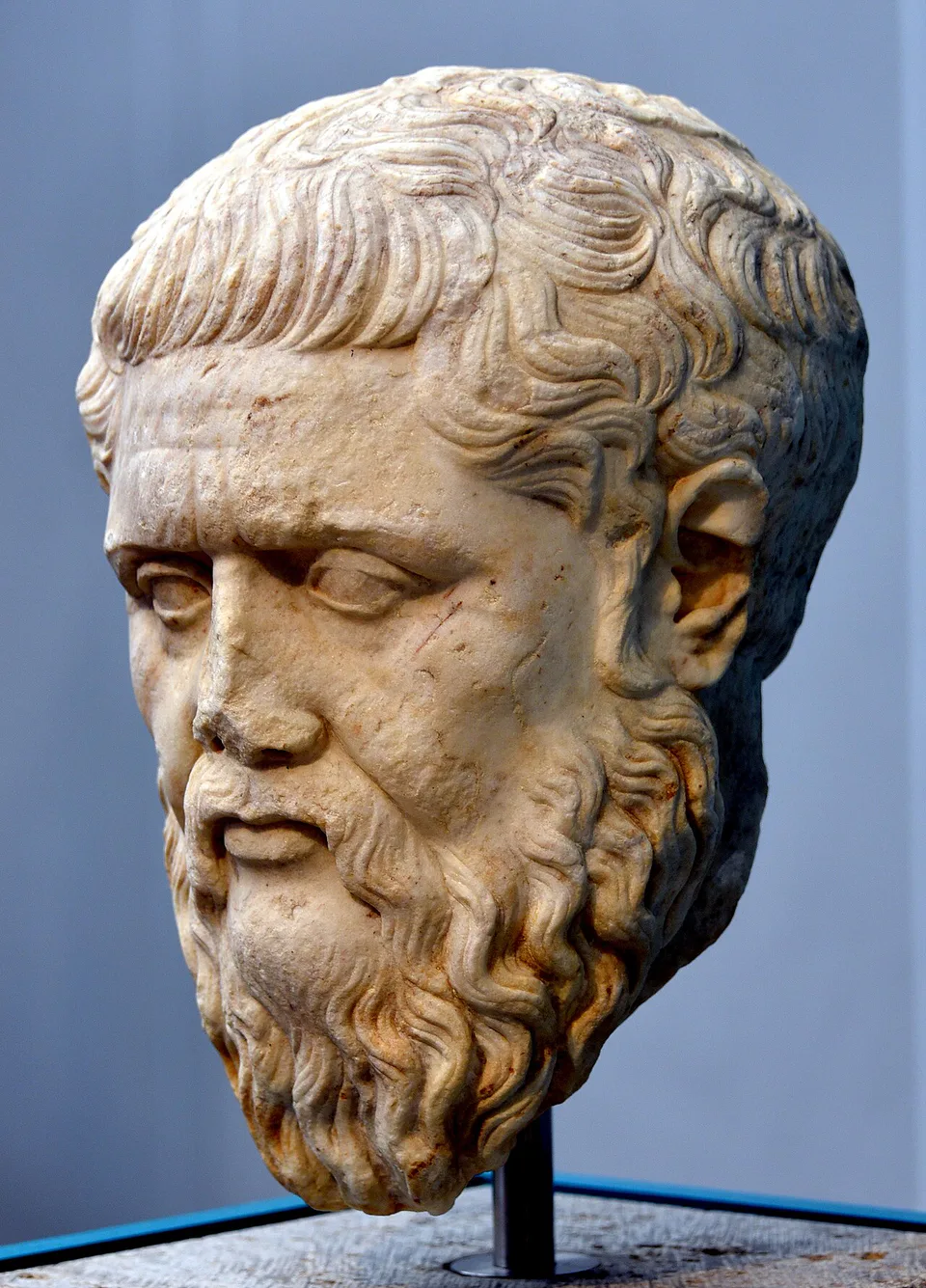
Explore the Platonic Ideal Dossier“The many, as we say, are seen but not known.”
Republic VI · 507b
A founder’s letter
I wanted to bring a search for first principles into an ordinary act: deciding what is worth owning.
I am Catholic, and my faith began a philosophical journey that brought me back to Plato, Aristotle, and the question of what things really are in a world full of noise, politics, cultural conflict, and competing incentives.
Plato’s Forms made me wonder whether everyday products could also be judged against an ideal: not the most popular object, but the one that best realizes what the category is for.
We have built an enormous review economy to help us choose, yet more information often leaves us less certain. Platonic Ideal does the comparison work once, using explicit rules about construction, maintenance, failure, repairability, permanence, and evidence.
The refrigerator entry stays empty because its current analysis finds sealed compressor systems, unpredictable control-board failures, and repair economics that can approach replacement cost. A clear empty verdict is more useful than forcing a recommendation that has not earned its place.
I wanted to practice my AI building skills while bringing philosophy into a practical e-commerce question. The result is a place where the public verdict stays free, the reasoning stays inspectable, and any future dossier can support depth without buying influence.
The public catalog
Lodge 12 in Cast Iron Skillet (L10SK3)
Our pick
Opinel No. 8 Stainless
Our pick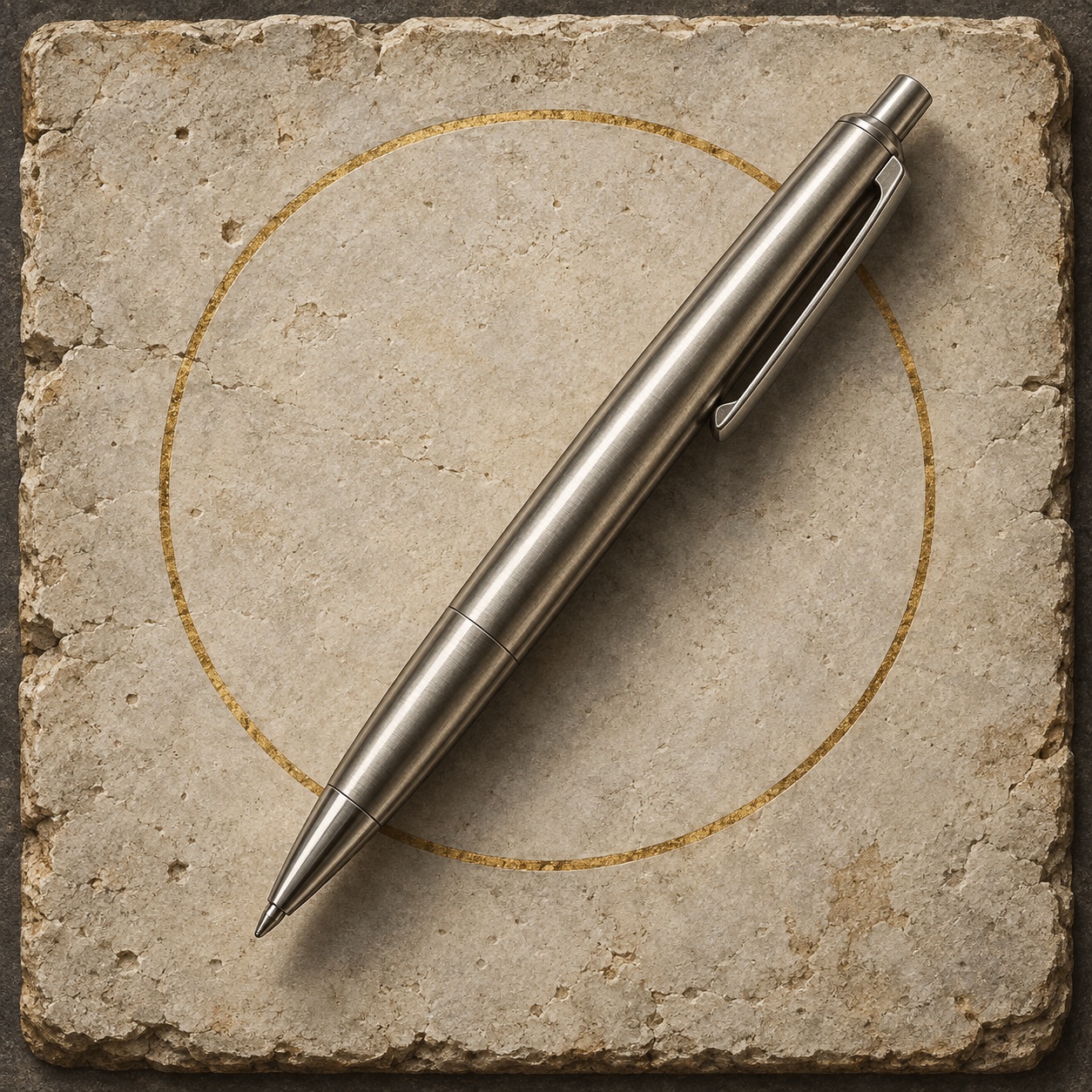
Parker Jotter Stainless Steel
Our pick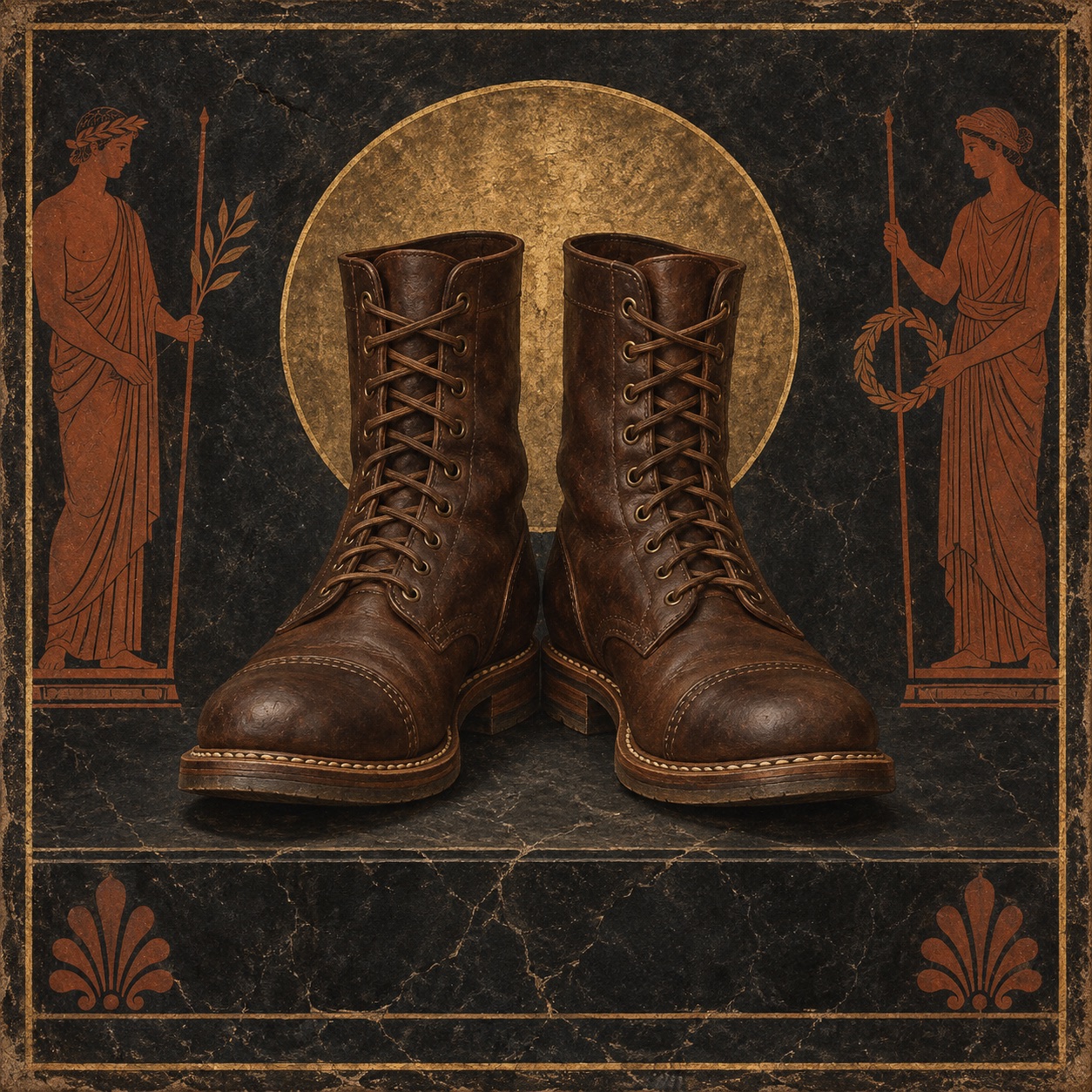
White's Semi-Dress (work boots)
Our pickEditorial illustrations are interpretive plates, not product photography. Physical products are not sold here.
Inside the dossier
A considered companion to the public catalog. The dossier brings the deeper reading, tradeoffs, and ownership questions into one place.
Read a sample →The questions to ask before an object earns a place in your life.
An organized reading path through source material and research notes.
What fails, what falls short, and which compromises deserve attention.
Maintenance, repair, replacement, and the practical work of keeping things.
A quieter update
Preview the future reader note: occasional category verdicts, new evidence, and dossier updates. It will never change a public verdict.
Our conviction
“The right answer can be
nothing at all.”
When no product meets the standard, we say so. You can read that judgment for free. Paying for the dossier never changes it.
How we choose ↗